“Being the Person I Once Needed”
Kim’s Journey Into Early Years Teaching
For Kim, becoming an Early Years teacher was never simply a career move — it was a personal mission shaped by her own childhood. Now an EYFS Lead and Reception Teacher at a Norfolk County Council primary school, she still remembers the teachers who stood by her during difficult moments growing up. Their belief in her left a lasting impact.
“I wanted to give back to other children and be the consistent, nurturing person I once needed,” she explains. That sense of purpose continues to guide her each day in the classroom.
Finding the Right Environment
Before joining her current school, Kim spent time working in academy settings. Although she valued the experience, she realised that the structure and pressures didn’t match the type of environment where she could thrive. Moving to a smaller local authority school offered the supportive atmosphere and strong sense of community she was looking for.
It was a change that allowed her to grow into the teacher she wanted to be.
A Career Built Through Experience
Kim’s journey into children’s services began with a Childcare degree, completed straight after school. Early work placements in nurseries and pre‑schools strengthened her passion for Early Years, and eventually she moved into a primary school as a Teaching Assistant. After five years in the role, she took the leap into teacher training — a decision that set the course for her future.
Once qualified, Kim returned to a school that recognised her potential. Within two years of being an Early Career Teacher, she stepped into the role of EYFS Lead, and she has recently taken on responsibility for Science as well. Now in her fifth year of teaching, she continues to build expertise through hands‑on experience, supportive colleagues and ongoing training.
She speaks highly of her ECT mentor, describing her as someone who shaped her classroom practice in meaningful ways. Training through organisations like VNET and Early Excellence provided fresh approaches to Early Years teaching, and she is now completing the NPQEYL to strengthen her leadership skills even further.
Life in an Early Years Classroom
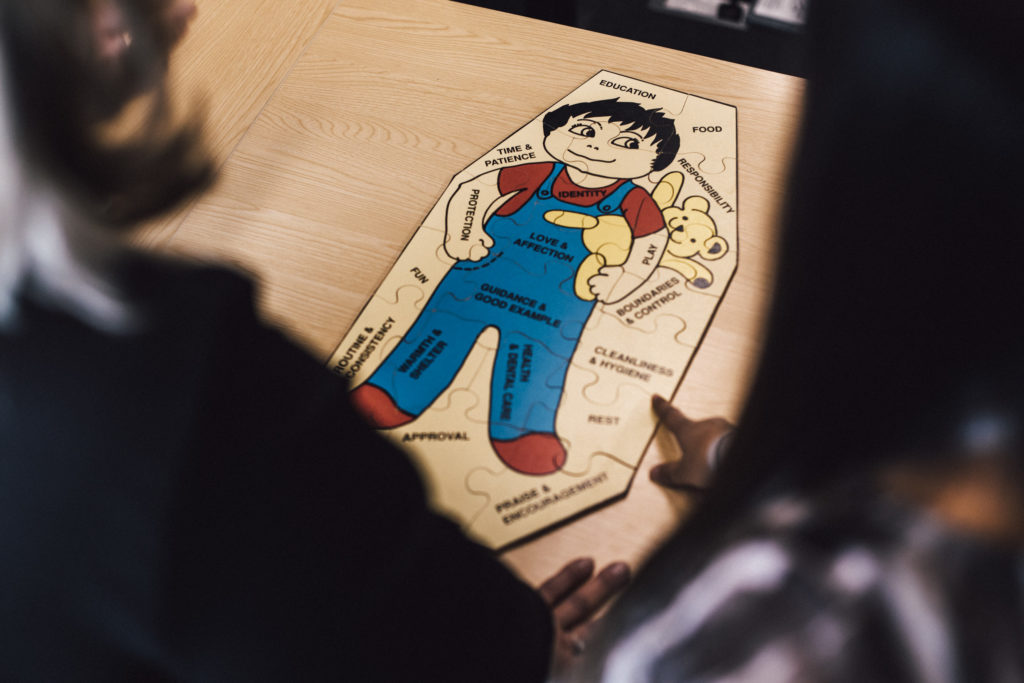
Kim’s day begins early — usually around half past six — so she has time to prepare the learning environment before the children arrive. Setting up continuous provision, organising resources and ensuring lessons are ready gives her space to create a calm, purposeful start to the day.
Once the children step through the door, the pace changes. Each day includes structured sessions in phonics, maths, handwriting, discovery time, and reading, all woven between moments of play and exploration. During continuous provision, Kim focuses on moving learning forward through gentle interventions, conversation, modelling and encouragement. At the end of the school day, she resets the environment, meets with colleagues and updates families on their children’s progress via Class Dojo.
“It’s busy,” she says, “but incredibly rewarding.”
Looking Ahead
Kim sees her future in roles that allow her to support both children and fellow educators. She hopes to join the Senior Leadership Team one day, mentor Early Career Teachers, or become an Early Years Advisor working across a range of schools. Her enthusiasm for the sector — and her desire to uplift others — shines through in everything she does.
Challenges and Rewards
Like many Early Years practitioners, Kim faces challenges, including maintaining consistency around behaviour expectations and managing limited support at times. But these challenges never overshadow the heart of the role.
“For me, it’s the children,” she says. “Seeing them achieve — whether it’s something small or something big — and knowing I’ve been part of that journey.”
Advice for Anyone Considering a Career working with Children
Kim encourages people thinking about entering children’s services to do it for the right reasons. The role demands dedication, resilience and a genuine passion for supporting children, but it also offers immense fulfilment.
“It’s incredibly rewarding but also demanding. Know your boundaries and don’t be afraid to say no when you need to. You can’t give your best to the children if you’re running on empty.”
Search for jobs in the Eastern Region
Our Authorities
These are the 11 authorities that make up the Eastern Region: